
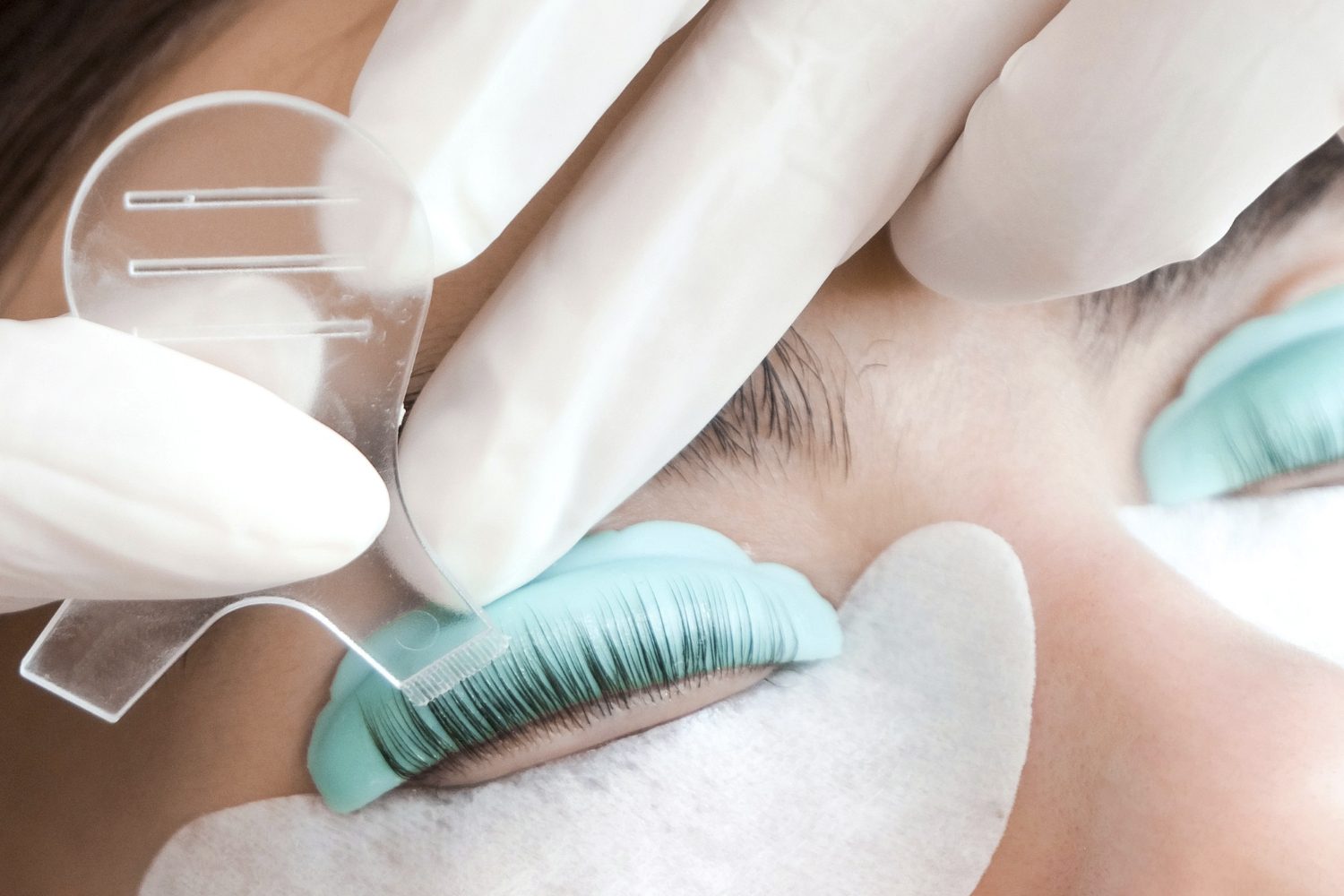
The Korean lash lift technique is a professional method used to reshape and lift natural eyelashes without adding extension fibres. The approach used in my work is based on a glue-free positioning process and a cysteamine-based lifting system.
Although the treatment is often associated with smooth, well-defined results, its success does not depend on one ingredient or one type of roller. Careful consultation, correct lash preparation, controlled processing and precise positioning are all essential.
This guide explains the main stages of a Korean lash lift step by step from a client’s perspective. It does not include brand-specific timings or product quantities, as these must follow the system being used and should only be applied by a properly trained stylist.
What Defines the Korean Lash Lift Technique?
A Korean lash lift changes the direction and shape of the natural lashes so that more of their length becomes visible. Straight or downward-growing lashes can be lifted away from the eye, creating a brighter and more defined appearance without extensions.
The method I use includes:
- an assessment of the natural lashes,
- careful roller or shield selection,
- glue-free lash positioning,
- cysteamine-based lifting products,
- a neutralising stage,
- optional tinting,
- conditioning steps before the final finish.
The term “Korean lash lift” does not describe one identical treatment followed by every stylist. Brands, products and protocols can differ. The method must therefore be performed according to the instructions for the particular system rather than assumptions based only on the treatment name.
Before carrying out a lash lift treatment in Kettering, I assess the client’s lash length, condition, direction of growth and previous chemical treatments. This helps me determine whether the lashes are suitable and what type of lift may complement them.
Is the Korean Lash Lift Technique Damage-Free?
No chemical lash lift should be described as completely damage-free. The products temporarily alter the structure of the natural hair so that it can be set into a different shape.
Cysteamine-based systems may have a different processing profile from some traditional lifting formulas, but cysteamine is still an active ingredient. It does not remove the need for:
- accurate timing,
- controlled product placement,
- suitable intervals between treatments,
- correct roller selection,
- professional assessment of the natural lashes.
Even products described as gentle can contribute to dryness or overprocessing when used incorrectly. Conditioning stages may help the lashes look smoother and feel cared for after treatment, but they cannot make excessive processing harmless.
If the lashes are brittle, unusually dry or recently lifted, the safest option may be to postpone the treatment.
Korean Lash Lift Step by Step
The precise protocol varies between product systems. However, a professional Korean lash lift generally includes the following stages.
Step 1: Consultation and Natural Lash Assessment
The process starts before any products are applied.
The stylist should assess:
- natural lash length,
- thickness and flexibility,
- direction of growth,
- differences between the two eyes,
- signs of dryness or breakage,
- previous lash lifts or other chemical treatments,
- the result the client would like to achieve.
The consultation is also an opportunity to discuss sensitivities, relevant contraindications and any patch-testing requirements connected with the products being used.
Photographs can help explain the preferred style, but the final result must still be adapted to the client’s own lashes. A dramatic lift shown on long, strong lashes cannot always be recreated safely on short or delicate ones.
Step 2: Cleansing and Preparing the Lash Area
The eyelashes and surrounding eye area must be properly prepared. Makeup, natural oils, skincare residue and other impurities can interfere with positioning and product performance.
The lower lashes are protected, and the upper lashes are cleansed according to the treatment system. The stylist also checks that the eye area is comfortable and that the client can keep their eyes closed throughout the procedure.
Good preparation is not merely about appearance. It helps the stylist see the natural lash direction clearly and position the hairs more evenly during the next stages.
Step 3: Choosing the Correct Roller or Shield
Roller selection has a major influence on the final result.
The stylist considers:
- the length of the lashes,
- the natural growth direction,
- the shape of the eyelid,
- the space above the lash line,
- the amount of root lift requested,
- whether a softer or more noticeable curve is preferred.
A smaller roller does not automatically mean a better or stronger result. If it is unsuitable for the lash length, the tips may appear over-curled or sit too close to the eyelid.
Different brands also use different roller names, profiles and sizing systems. This is why professional selection is more reliable than choosing a shape based only on labels such as C, U or L curl.
Step 4: Glue-Free Lash Positioning
Glue-free positioning is one of the characteristic elements of the Korean lash lift technique used in my work.
The natural lashes are arranged over the selected roller or shield so that they follow the planned direction. They should sit neatly without unnecessary crossing, twisting or bunching.
The positioning influences:
- the direction of the finished lift,
- the separation between individual lashes,
- the symmetry between the eyes,
- how the inner and outer lashes sit,
- whether the result appears smooth or uneven.
This part of the treatment requires control and patience. Poor positioning cannot always be corrected by changing the processing time. If the lashes are placed in different directions, those inconsistencies may remain visible after the shape is set.
The glue-free method should still be followed as a complete system. It is not simply a regular lash lift performed without adhesive.
Step 5: Applying the Lifting Product
The lifting product temporarily changes bonds within the hair structure, allowing the natural lashes to take on the new position.
The required processing time depends on factors such as:
- the product system,
- lash thickness,
- natural resistance,
- previous chemical treatments,
- the condition of different areas of the lash line.
Fine lashes may process differently from thick or resistant lashes. The stylist must therefore assess the hairs throughout the procedure instead of applying one standard timing to every client.
Insufficient processing can produce a weak or uneven result. Excessive processing may leave the lashes dry, frizzy or difficult to manage.
Product placement is equally important. The formula must be used according to the manufacturer’s instructions and should not be applied simply on the assumption that more product will create a stronger lift.
Step 6: Neutralising and Setting the New Shape
After the lifting stage, a neutralising or setting product is used to stabilise the lashes in their new position.
The lashes must remain evenly arranged while this stage takes place. If they move, overlap or bend incorrectly, the final shape may be affected.
Neutralising is not an optional finishing product. It is an essential part of the chemical process and must be performed according to the system being used.
Once this stage is complete, the stylist can assess whether the lift is even across the lash line and whether both eyes have been balanced appropriately.
Step 7: Optional Eyelash Tint
Tint may be added when the client wants more visible definition, particularly if the natural lashes have pale or translucent tips.
Tinting does not make the lashes physically longer or fuller. It darkens the hairs that are already present, which may make their full natural length easier to see.
When the lashes are naturally fair, I may include eyelash tinting in Kettering if it is suitable for the client and compatible with the lifting system.
Not every client needs tint. Naturally dark lashes may already look sufficiently defined once they have been lifted.
Step 8: Conditioning and Final Finish
The method I use can include conditioning stages described as Botox and Keratin treatments.
“Lash Botox” is a cosmetic name. It does not involve injections or botulinum toxin. These products are intended to improve the appearance and feel of the treated lashes, helping them look smoother, glossier and cared for after processing.
They should not be presented as permanently repairing the hair from within or reversing all effects of chemical treatment.
At the end of the appointment, the stylist:
- removes the remaining treatment products,
- checks the direction and separation of the lashes,
- assesses the symmetry of the lift,
- gently brushes the lashes,
- explains the relevant aftercare.
The final result should be selected according to the client’s lashes rather than made as strong as possible.
How Is the Technique Adapted to Different Natural Lashes?
A Korean lash lift should not be performed in exactly the same way on every client.
Fine Lashes
Fine lashes may require more cautious processing and close observation. Their appearance alone does not determine whether they are strong enough for the treatment.
Thick or Resistant Lashes
Thicker lashes may respond differently to the products, but this does not mean they should automatically be processed for the maximum time. The stylist must follow the system and assess how the hair is reacting.
Downward-Growing Lashes
Lashes that point downwards can benefit from a carefully planned root lift. However, the stylist must also consider the eyelid and ensure that the lifted tips will not press uncomfortably against the skin.
Short Lashes
Short lashes can still be lifted, but the result will reflect their natural length. The treatment cannot create additional hairs or produce the same effect as extensions.
Long Lashes
Long lashes may need a roller with enough space to create a balanced curve. An unsuitable shape can make the tips fold back towards the eyelid.
Previously Processed Lashes
The stylist needs to know when the previous lift was performed and how the lashes have behaved since. If they appear dry, kinked or weakened, another chemical treatment may need to be delayed.
What Can Go Wrong During a Korean Lash Lift?
A Korean lash lift can produce an uneven or uncomfortable result when the treatment is not properly planned or controlled.
Common causes of problems include:
- unsuitable roller selection,
- lashes crossing during positioning,
- inaccurate processing time,
- incorrect product placement,
- treating weakened lashes,
- repeating the service too soon,
- failing to follow the product system,
- poor communication about the desired result.
Overprocessed lashes may look dry, frizzy or irregularly curled. Underprocessed lashes may show very little change or lose the intended shape sooner.
The term “Korean” does not protect against these issues. The result depends on the stylist’s knowledge of the products and their ability to adapt the process.
These stages are taught and practised as part of my professional Korean Lash Lift training at the studio in Kettering, where students learn how the complete method works and perform the treatment under supervision.
How Long Does the Korean Lash Lift Result Last?
The result can remain visible for several weeks, but there is no single duration that applies to every client.
A lash lift does not wear off all at once. The treated lashes continue through their natural growth cycle, while new untreated lashes gradually appear.
How long the result remains noticeable depends on:
- natural lash growth,
- the initial condition of the lashes,
- the type of lift created,
- the system used,
- previous treatments,
- aftercare.
A new treatment should not be booked only because a few straight lashes have started to grow in. The condition of the full lash line should be assessed before the process is repeated.
What Aftercare Is Recommended?
Aftercare instructions may vary depending on the products used, so the advice provided after the appointment should take priority over general information found online.
During the initial period, clients may be advised to avoid:
- rubbing or pulling the lashes,
- strong steam,
- prolonged moisture,
- heavy products around the eyes,
- mechanical eyelash curlers.
The exact time for these precautions depends on the treatment system.
Afterwards, the lashes usually require straightforward care. They can be brushed gently when needed, and a suitable conditioning product may be recommended if they feel dry.
The lifted lashes should not be repeatedly pressed into a stronger shape with a curler. This may place unnecessary pressure on hairs that have already been chemically processed.
Can a Korean Lash Lift Be Combined with Other Treatments?
A Korean lash lift can be part of a wider natural eye-area treatment, provided that each service is individually suitable for the client.
For example, someone who wants greater definition without extensions may combine lifted lashes with tinting. Clients who also want to improve the direction and appearance of their natural brows sometimes choose eyebrow lamination in Kettering.
The lash and brow treatments are separate procedures. Each requires its own consultation, product selection and aftercare rather than being treated as one identical process.
Why Professional Korean Lash Lift Training Matters
The Korean lash lift technique cannot be learned properly by changing one product in an existing routine or copying a short demonstration.
Professional training should explain:
- client consultation and suitability,
- how cysteamine-based products work,
- correct cleansing and preparation,
- roller selection,
- glue-free positioning,
- processing assessment,
- neutralising and stabilising the shape,
- optional tinting,
- conditioning stages,
- troubleshooting and aftercare.
Practical work is especially important. A student needs to see how the technique changes according to lash length, resistance, direction and eye shape.
Understanding why each stage is performed is more valuable than memorising one fixed sequence without knowing how to adapt it.
Frequently Asked Questions
What Is the Korean Lash Lift Technique?
It is a professional method used to reshape natural eyelashes. The approach used in my work combines glue-free lash positioning with a cysteamine-based lifting system, neutralising, optional tint and conditioning stages.
Is a Korean Lash Lift Performed Without Glue?
The method I use follows a glue-free process. Other treatments described as Korean Lash Lift may use different products or positioning methods, so it is worth checking which system the stylist follows.
What Happens During a Korean Lash Lift Step by Step?
The main stages include consultation, cleansing, roller selection, lash positioning, lifting, neutralising, optional tinting, conditioning and a final assessment.
Does the Korean Lash Lift Technique Use Cysteamine?
The system used in my work is cysteamine-based. However, products can differ between brands, and cysteamine must still be applied with accurate timing and professional control.
What Are Lash Botox and Keratin Treatments?
They are cosmetic conditioning stages intended to leave treated lashes looking smooth, glossy and cared for. Lash Botox does not contain injectable botulinum toxin.
Can Tint Be Added During the Treatment?
Tint may be added when appropriate, particularly for naturally fair lashes. It darkens the existing hairs but does not add length or volume.
How Is the Correct Roller Selected?
The stylist considers natural lash length, direction, eyelid shape, available space and the type of curl requested. Roller names and sizes can vary between brands.
Can a Korean Lash Lift Damage Natural Lashes?
Any chemical lash lift can affect the natural hairs if products are used incorrectly, left for too long or applied to unsuitable lashes. Careful assessment and controlled processing reduce the risk.
How Long Does the Treatment Take?
The appointment length varies according to the system, natural lashes and any additional stages such as tinting. The treatment should not be rushed at the expense of correct positioning or processing.
Can the Technique Be Learned Online?
Online theory can help explain products and treatment principles, but supervised practical training is valuable for learning roller selection, glue-free positioning, timing assessment and troubleshooting.
Is the Korean Lash Lift Suitable for Short Lashes?
Short lashes may be suitable if they are in good condition, but the result will still be limited by their natural length. The treatment lifts existing hairs rather than adding extensions.
How Often Can the Treatment Be Repeated?
There is no universal timetable suitable for everyone. The stylist should assess the natural lash cycle, condition and previous processing before recommending another appointment.
Final Thoughts
The Korean lash lift technique involves much more than choosing a cysteamine-based product. The result depends on consultation, preparation, roller selection, glue-free positioning, controlled lifting, correct neutralising and careful finishing.
Conditioning steps can improve the appearance and feel of the treated lashes, but the procedure remains a professional chemical service. It should be adapted to the natural lashes and carried out according to the complete product system.
A well-performed treatment should create a balanced lift that suits the client’s natural lash direction and desired finish rather than simply producing the strongest possible curl.