
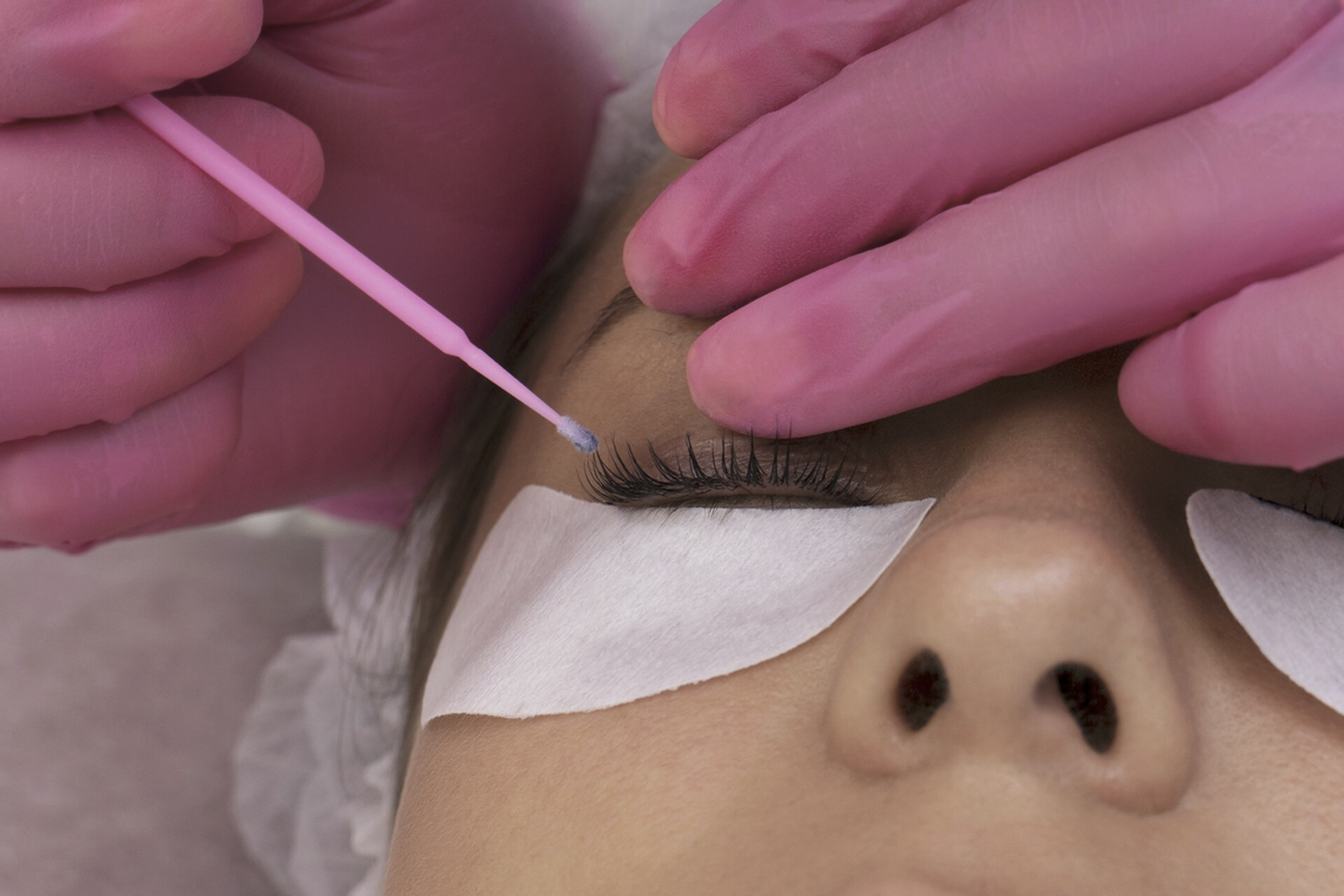
Key takeaways
- ✓Lash extensions are safe for eye health only when applied by a professional who ensures every natural lash is isolated to prevent clumping and follicle tension.
- ✓Overloading natural hairs with excessive weight can cause traction alopecia, a condition where the follicle stops producing hair due to constant stress.
- ✓A patch test should be performed at least 48 hours before a full set to identify potential allergies to cyanoacrylate, the primary bonding agent in lash glue.
- ✓True allergic reactions typically cause symmetrical swelling or itching on both eyes, whereas irritation in only one eye often indicates mechanical friction or poor application.
- ✓Daily cleaning with a specific lash cleanser is essential to prevent blepharitis, an inflammatory condition caused by the buildup of bacteria and oils along the lash line.
- ✓Clients must avoid water, steam, and heavy sweat for 24 to 48 hours after application to allow the medical-grade adhesive to fully polymerise.
A client recently arrived at my studio with lashes so heavily clumped they felt like a single, rigid strip of plastic. She had been tempted by a low-cost offer, only to find her eyelids swollen and her natural fringe thinning within days. This painful experience highlights why so many people ask, “Are lash extensions safe?” before booking their first appointment. While the procedure is perfectly harmless when performed by a qualified professional, understanding the science of the lash cycle and adhesive chemistry is vital. We will explore the technical realities of eye health, the dangers of improper weight distribution, and how to identify a technician who prioritises your safety over speed.
The moment I realised lash safety isn’t just a luxury
A few months ago, a new client walked into my studio, her eyes hidden behind dark sunglasses. When she took them off, my heart sank. Her natural lashes were clumped together with thick, hard adhesive, and her eyelids were visibly inflamed. She had visited a “budget” salon, hoping for a bargain, but ended up asking: are lash extensions safe?
This experience served as a stark reminder that lash extensions damage natural lashes when technical precision is sacrificed for speed or cost. The poor application had caused significant tension, leading to what looked like early signs of traction alopecia. It took weeks of careful rehabilitation to restore her lash health.
Mastering the art of lash artistry is about more than just aesthetics. It requires a deep understanding of the lash cycle and the chemistry of adhesives. When applied by a professional who prioritises isolation, are lash extensions safe? Absolutely. However, the difference between a flattering, mascara-like effect and a painful infection lies entirely in the hands of your technician.
- Technician skill is the primary factor in preventing long-term follicle damage.
- Professional isolation prevents multiple natural lashes from being glued together.
- Redness or itching should never be ignored as “normal” post-treatment side effects.
Do eyelash extensions ruin your natural lashes? The truth about the growth cycle
Understanding the natural lash cycle and weight limits
Every eyelash follows a specific biological journey: growth, transition, and rest. When we ask, are lash extensions safe, we must consider this rhythm. A healthy set moves with your natural lashes, shedding only when the cycle ends.
Problems arise when a technician ignores these limits. Overloading a tiny hair with a heavy synthetic fan interrupts the cycle. Finding a style that feels flattering, comfortable and suitable is the only way to protect your long-term eye health.
Traction Alopecia: When extensions become too heavy
If extensions are too heavy or bonded together, they place constant tension on the root. This can lead to traction alopecia, a condition where the follicle becomes so stressed it stops producing hair entirely.
Expert application ensures each extension is isolated. This precision prevents lashes from being pulled out prematurely. When applied correctly, lash extensions damage natural lashes only if the weight exceeds what the follicle can structurally support over time.
Mechanical damage vs. chemical irritation
Mechanical damage occurs through rubbing or poor isolation, while chemical issues stem from the adhesive. Many clients worry about a lash glue allergy, but often, the discomfort is actually due to physical friction from improper placement.
Professional stylists master the art of lash artistry by balancing these factors. We use high-quality cyanoacrylate while ensuring the bond never touches the eyelid skin. This careful distance prevents both chemical irritation and follicle trauma.
What is actually in your adhesive? Navigating allergies and sensitivities
The role of Cyanoacrylate and the Formaldehyde myth
Cyanoacrylate is the core component of almost every professional lash glue. It is what ensures your extensions stay bonded through steam, sweat, and sleep. While it is incredibly effective, it is also the most common trigger for a lash glue allergy.
High-quality, professional-grade adhesives do not contain formaldehyde as a primary ingredient. Instead, trace amounts can occur as a byproduct of the manufacturing process as the glue ages. At Lash Garden Academy, I prioritise using fresh, premium products to ensure these levels remain negligible, keeping the application process safe for your delicate eye area.
Sensitive eyes: Why a patch test is non-negotiable
If you have sensitive eyes, a patch test is the only way to proceed with confidence. I apply a few extensions to the outer corners of each eye at least 48 hours before a full set. This monitors how your skin and ocular surface react to the specific chemical composition of the adhesive.
Identifying the signs of an allergic reaction vs. poor hygiene
True allergic reactions usually manifest as symmetrical swelling, persistent itching, or redness on both eyelids within hours of application. If only one eye is irritated, the culprit is often mechanical friction or a stray lash rather than the chemistry of the glue itself.
Distinguishing these symptoms from Blepharitis is vital. While an allergy is a chemical response, Blepharitis is often caused by a buildup of bacteria or oils along the lash line. Maintaining a strict cleaning routine is essential to ensure your lash extensions safe experience doesn’t turn into an uncomfortable inflammatory issue.
A safety-first checklist for your next appointment
I recently met a client who had used a drugstore DIY cluster kit for a weekend wedding. By Monday, her eyelids were swollen because the heavy adhesive had bonded multiple natural lashes together, causing painful tension. This highlights why professional application remains the gold standard for eye health.
Professional application vs. the risks of DIY kits
While home kits promise convenience, they often lack the precision required to protect the hair follicle. Are lash extensions safe when applied at home? Rarely. Professional stylists use medical-grade cyanoacrylate and isolate every single lash, preventing the clumps that lead to traction alopecia. A technician’s expertise ensures the weight is balanced, protecting your natural lash cycle from premature shedding.
Red flags to watch for in the salon chair
Trust your instincts during the treatment. If you feel a burning sensation that lasts more than a few seconds, or if the technician does not sanitise their tweezers between clients, these are immediate warning signs. High-quality salons will always offer a patch test for sensitive eyes lash extensions to rule out a lash glue allergy before a full set is applied.
- Visible glue droplets on the lash line
- Lashes that feel heavy or poke the eyelid
- Technicians who skip the initial consultation
When to seek medical advice from a doctor
If you experience persistent redness, discharge, or blurred vision after your appointment, do not attempt to remove the lashes yourself. Seek professional medical help immediately. While most irritation is minor, an expert can distinguish between a simple lash glue allergy and a more serious corneal abrasion or infection.
Frequently Asked Questions
Do eyelash extensions hurt during or after the application?
When applied correctly by a trained professional, lash extensions should never be painful. You might feel a slight pressure as the technician isolates the natural hair, but there should be no stinging or pinching. If you experience discomfort during the appointment, it often indicates that the lashes are glued too close to the eyelid or that multiple natural lashes are stuck together, which requires immediate adjustment to prevent irritation.
How long does a professional lash extension appointment take?
A full set typically takes between ninety minutes and two and a half hours to complete. This duration is necessary because a meticulous technician must isolate each individual natural lash before bonding the extension. Rushed applications often lead to poor isolation and clumping, which can damage your natural lash health. Taking the time to ensure precision is a hallmark of a safe and professional service.
Can I wash my face or swim immediately after getting lashes?
It is highly recommended to wait at least twenty four to forty eight hours before getting your new extensions wet. This allows the medical-grade adhesive to fully polymerise and create a secure bond. Exposing them to steam, water, or heavy sweat too early can cause the glue to become brittle or fail, leading to premature shedding and potentially irritating the eye area as the bond weakens.
What are the warning signs of an allergic reaction to lash glue?
You should seek professional help if you notice persistent redness, itching, swelling of the eyelids, or significant pain. While a minor adjustment period is normal, these symptoms could indicate an allergic reaction to the adhesive or a sensitivity to the under-eye pads. Never attempt to pull the extensions off yourself, as this will cause mechanical damage to your natural follicles; instead, contact your technician for a safe removal.
How do I properly care for my extensions to avoid infections?
To maintain eye health, you should clean your extensions daily using a specifically formulated lash cleanser and a soft brush. Avoid oil-based makeup removers, as these break down the adhesive bond. Gently brushing them with a clean spoolie helps keep them aligned and prevents tangling. Regular hygiene is crucial not just for retention, but to prevent the buildup of oils and bacteria that can lead to blepharitis.
Conclusion
Prioritising the health of your natural lashes ensures that your journey with extensions remains a sustainable luxury rather than a temporary fix followed by months of recovery. When applied with technical precision and a deep respect for the lash growth cycle, these treatments are perfectly safe. My passion for lash artistry is rooted in the belief that finding a style that feels flattering, comfortable, and suitable should never come at the expense of your ocular well-being. By choosing an accredited professional who values hygiene and weight limits, you protect your vision and your natural beauty.
To ensure your experience remains positive, keep these safety pillars in mind:
- Always confirm your technician uses high-quality, professional-grade adhesives and follows strict isolation protocols.
- Respect your natural lash cycle by avoiding extensions that are too heavy or long for your individual hairs.
- Maintain a rigorous aftercare routine to prevent the buildup of bacteria and skin cells.
- Never skip a patch test, especially if you have a history of sensitive eyes or skin allergies.