
Key takeaways
- ✓The main difference between brow lamination vs microblading is that lamination chemically repositions your existing hairs for a temporary fluffy look, whereas microblading implants semi-permanent pigment into the skin to reconstruct sparse eyebrows.
- ✓Brow lamination results last for six to eight weeks and require zero downtime, while microblading lasts up to two years but involves a strict multi-week healing process.
- ✓Lamination is a completely painless, non-invasive surface treatment, whereas microblading is mildly invasive and requires a topical numbing cream to manage discomfort during the tattooing process.
- ✓Repeated microblading over several years can lead to cumulative skin trauma and micro-scarring, while lamination carries a risk of contact dermatitis requiring a mandatory patch test.
- ✓You can safely combine both treatments to achieve ultimate fullness, provided you wait at least eight weeks for your microbladed brows to completely heal before applying lamination chemicals.
Up to 80% of human facial expression is communicated through the eyebrows, making them one of the most defining features of your face. Choosing between brow lamination vs microblading comes next. Both treatments promise beautifully styled arches, but they achieve this through entirely different methods, ranging from chemical hair manipulation to semi-permanent pigment implantation. Whether you are seeking an eyebrow lamination in Kettering to create a fluffy, brushed-up aesthetic, or considering the longer-lasting tattoo strokes of microblading, understanding these core differences is crucial. Ultimately, finding a style that feels flattering, comfortable and suitable for your natural hair density ensures perfect, everyday results.
Understanding the Techniques: Brow Lamination and Microblading Explained
When clients ask me to compare brow lamination vs microblading, I always start with the fundamentals. Both treatments beautifully transform your face, but they rely on completely different methods to achieve your desired aesthetic.
Brow Lamination: The Fluffy Brow Secret
Lamination focuses entirely on your existing brow hairs. By applying a gentle chemical solution, we relax and reposition the hairs into a uniform, lifted shape.
It is the ultimate choice for achieving fluffy brows without any needles. If you are looking for non-invasive eyebrow lamination in Kettering, this method simply maximises the potential of what you naturally have.
Microblading: The Semi-Permanent Tattoo Solution
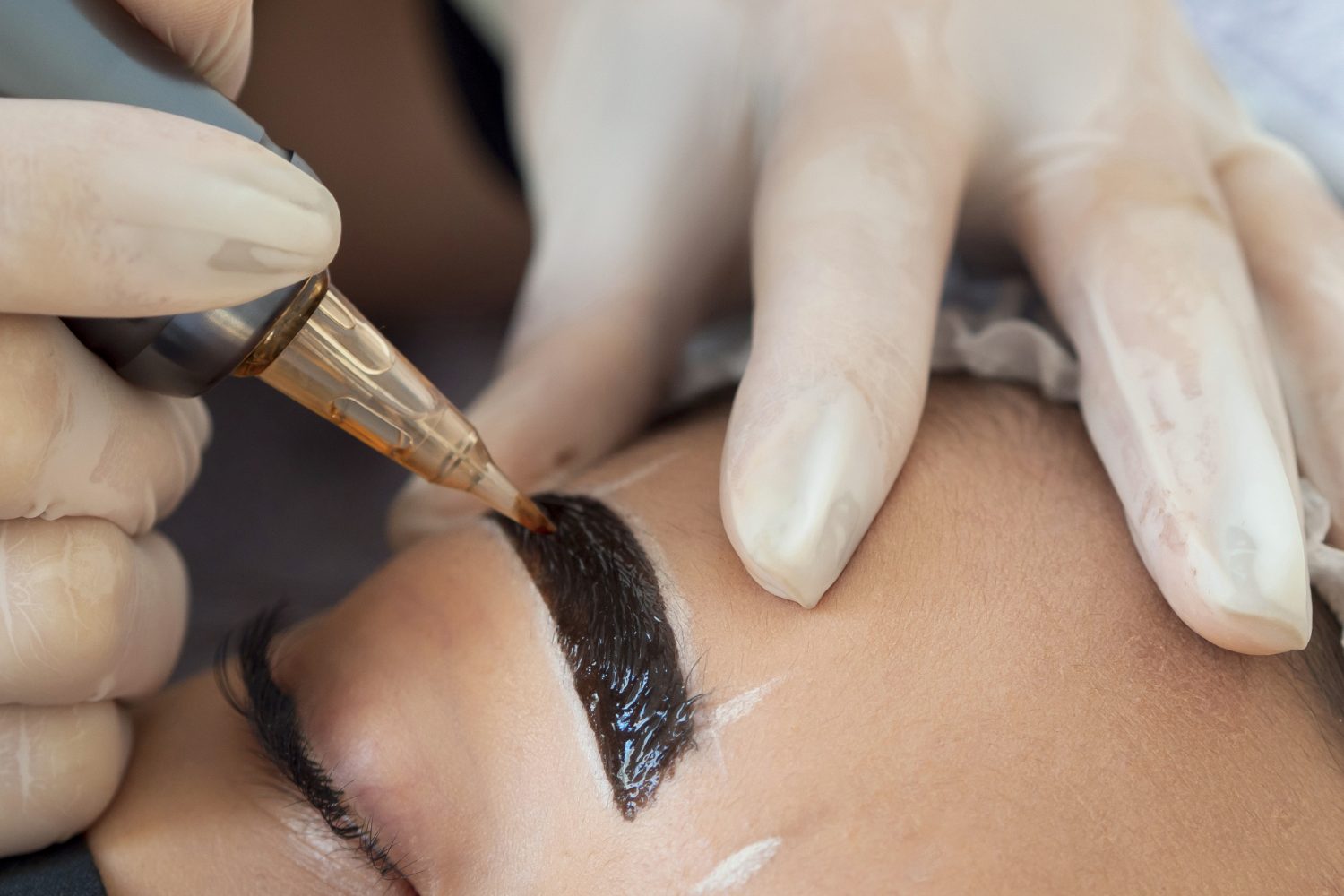
Conversely, microblading is a semi-permanent tattoo technique. Using a fine, sterile blade, pigment is meticulously implanted into the skin to mimic natural hair strokes.
This approach is highly effective for clients with naturally sparse eyebrows who need a defined structure built entirely from scratch.
| Feature | Brow Lamination | Microblading |
|---|---|---|
| Primary Technique | Chemical hair manipulation | Pigment implantation |
| Ideal Candidate | Clients with unruly hairs | Clients with sparse eyebrows |
| Invasiveness | Non-invasive (surface only) | Mildly invasive (breaks skin) |
The Ultimate Showdown: Longevity, Comfort, and Investment
Pain Levels and Invasiveness
When weighing up Brow Lamination vs Microblading, your comfort is a primary concern. Microblading is a semi-permanent tattoo, requiring a numbing cream to manage discomfort as pigment is implanted beneath the skin. Conversely, lamination is entirely non-invasive, manipulating your natural brow hairs chemically with zero pain.
Maintenance and the Healing Process
The healing process for microblading spans several weeks, involving strict aftercare to prevent pigment loss. Lamination requires just 24 hours of keeping the area dry.
Pros of lamination:
- Completely painless procedure from start to finish
- No downtime or scabbing required
- Perfect for clients wanting a fluffy, non-permanent change
Cons of lamination:
- Results only last six to eight weeks
- Cannot fill in completely sparse eyebrows
- Requires daily brushing to maintain the shape
- Not ideal for highly sensitive skin
Exact Cost Comparisons over Time
Initially, a microblading session is a significant financial commitment, often costing hundreds of pounds, plus an essential touch-up. However, the crisp results last up to two years.
If you opt for Kettering eyebrow lamination, the upfront cost is much lower. Yet, because you need regular appointments every two months, the long-term financial investment eventually balances out. Ultimately, the true winner in the brow lamination vs microblading debate depends entirely on your lifestyle.
Safety First: Potential Risks and Skin Considerations
When weighing up brow lamination vs microblading, understanding how your skin reacts is just as important as the final aesthetic. Both treatments are generally safe when performed by a certified professional, but they interact with your face in fundamentally different ways.
Allergic Reactions to Lamination Chemicals
Lamination relies on solutions that restructure your brow hairs to create that sought-after fluffy brows look. While these products are meticulously formulated, the lifting creams can occasionally trigger contact dermatitis in highly sensitive individuals.
A mandatory patch test is the simplest way to prevent unexpected redness or irritation. If you are booking an eyebrow lamination in Kettering, I always ensure this vital step is completed well before your appointment.
Long-Term Skin Damage from Microblading
Microblading is a semi-permanent tattoo. Repeatedly slicing into the delicate brow area over several years can lead to cumulative trauma, eventually causing micro-scarring beneath sparse eyebrows.
Once scar tissue forms, the skin often struggles to hold pigment properly during a future touch-up. This can result in blurred strokes or an uneven fade, complicating your routine rather than simplifying it.
Ultimately, the safety profile of brow lamination vs microblading differs significantly. One acts purely on the surface, while the other embeds deep into the dermal layer, demanding careful long-term skin management.
Which Treatment Is Right for Your Brows?
When deciding between brow lamination vs microblading, your natural hair density, daily lifestyle, and desired aesthetic will ultimately dictate the best path forward for your face. An expert assessment ensures you receive the most flattering and comfortable results possible.
Choose Brow Lamination If…
You have a decent amount of natural brow hairs but want to tame them into a fuller, brushed-up shape. This non-invasive option is perfect if you love the trendy soap brows look and want to avoid a semi-permanent tattoo. A professional eyebrow lamination in Kettering makes styling effortless.
Choose Microblading If…
You struggle with genuinely sparse eyebrows and need structural reconstruction. This method implants pigment directly into the skin, filling in gaps where hair refuses to grow. It is ideal for clients seeking a long-term, flawless arch.
Can You Combine Both Treatments?
Yes, you can safely combine both treatments to achieve ultimate fullness, provided your microblading has completely healed first. A skilled technician will wait at least eight weeks after your touch-up before applying any lamination chemicals. This ensures your skin remains healthy while your brows look spectacularly dense.
Key Takeaways:
- Brow lamination vs microblading comes down to manipulating existing hair versus creating new strokes.
- Lamination delivers fluffy brows without needles or extensive downtime.
- Microblading offers a lasting solution for over-plucked or naturally thin arches.
Frequently Asked Questions
Can I have brow lamination if I already have microblading?
Yes, you can absolutely combine both treatments for a fuller effect. Brow lamination works on the actual brow hairs, while microblading deposits pigment into the skin. However, you must wait until your microbladed brows are fully healed, which usually takes around four to six weeks, before booking a lamination appointment to avoid irritation or infection.
Does brow lamination damage your natural eyebrow hairs?
When performed by a qualified professional, brow lamination will not damage your natural hairs. The chemical solutions used are specifically formulated for the delicate brow area. It is crucial to follow the recommended aftercare, such as applying a nourishing serum or oil, and to leave enough time between appointments to keep your brows healthy and strong.
Is the healing process for microblading painful?
Most clients experience minimal discomfort rather than severe pain. A topical numbing cream is applied before and during the microblading procedure to ensure you remain comfortable. During the healing process, you might notice slight tenderness, redness, or itching as the skin repairs itself, but this usually subsides within a few days if you follow proper aftercare instructions.
How often will I need touch-ups for these brow treatments?
Brow lamination typically lasts between six and eight weeks, meaning you will need regular appointments to maintain that brushed-up look. Microblading is semi-permanent and usually requires an initial top-up after six weeks, followed by annual colour boost sessions to keep the strokes looking crisp and the pigment fresh as it naturally fades over time.
Can I get my brows wet after either of these procedures?
Both treatments require a strict dry healing period initially. For brow lamination, you must avoid water, steam, and excessive sweating for the first twenty-four to forty-eight hours to allow the bonds to set. Microblading requires keeping the area dry for about a week to ten days to prevent the pigment from healing unevenly or blurring.
Conclusion
Deciding between brow lamination vs microblading comes down to your natural hair density and long-term goals. Both offer incredible transformations, but finding a style that feels flattering, comfortable and suitable is essential. If you prefer a non-invasive approach, booking an eyebrow lamination in Kettering might be your ideal starting point.
Before committing, always consult a certified brow artist to assess your skin type. Keep these key takeaways in mind:
- Lamination manipulates existing hairs for a fluffy, temporary lift.
- Microblading implants semi-permanent pigment to correct sparse brows.
- Lamination requires zero downtime, while microblading involves careful healing.